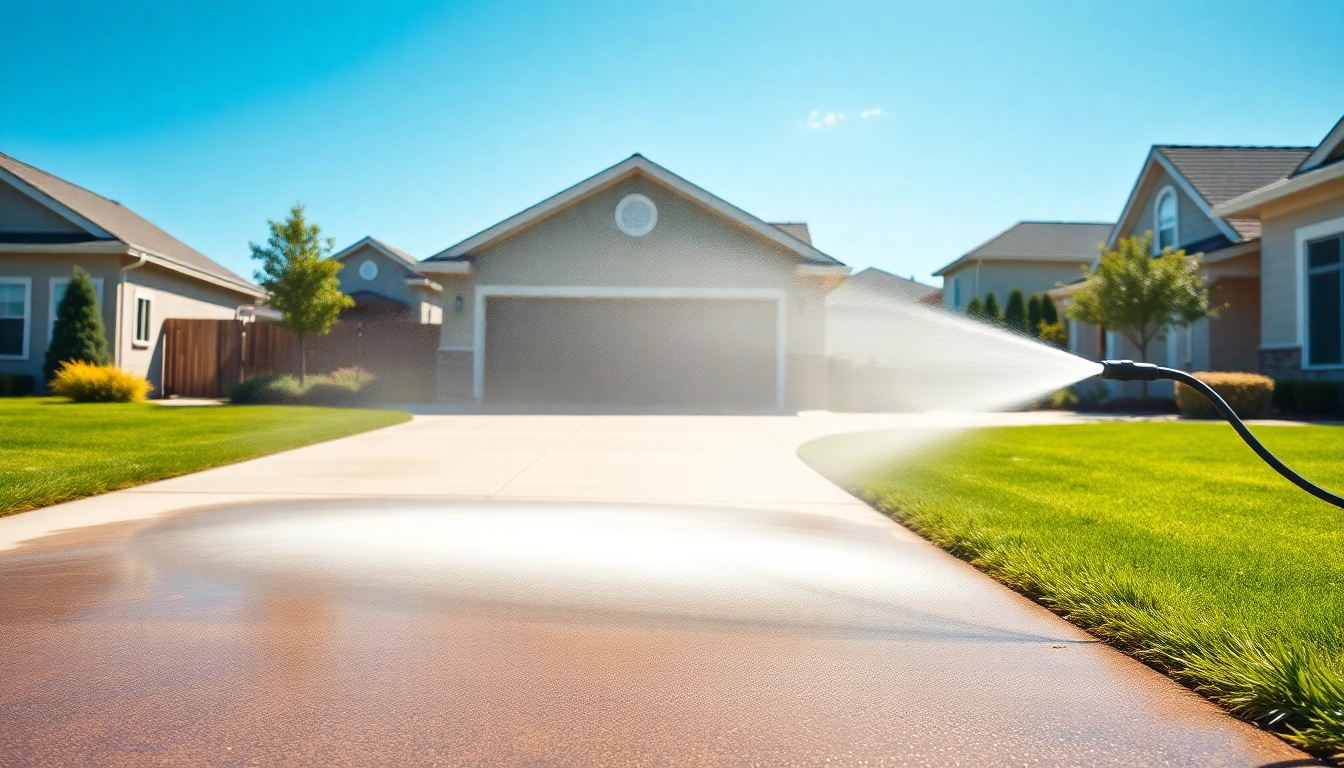
Understanding Driveway Pressure Washing
Driveway pressure washing is an essential maintenance task for homeowners looking to enhance their property's curb appeal and longevity. Over time, driveways accumulate dirt, grease, oil stains, and other debris that can detract from the overall appearance of your home. Regular cleaning not only keeps your driveway looking pristine but can also prevent costly repairs down the line. When exploring options, Driveway pressure wash services provide comprehensive insights into how professional cleaning can elevate your property's value. This article delves into the essentials of driveway pressure washing, covering everything from its benefits to common techniques that can ensure your driveway remains in top condition.
What is Driveway Pressure Wash?
Driveway pressure washing involves the use of high-pressure water spray to clean surfaces effectively. This method is particularly beneficial for concrete, asphalt, and stone driveways, as it can remove dirt, grime, and stains that have built up over time. The process uses specially designed pressure washers that can adjust the pressure and nozzle settings according to the cleaning requirements of various surfaces. This versatility makes pressure washing a popular choice for homeowners looking to refresh their driveways without the need for costly replacements.
Benefits of Professional Cleaning
- Enhances Curb Appeal: A clean driveway significantly improves the overall look of your property, making it more inviting for guests and potential buyers.
- Prolongs Driveway Lifespan: Regular maintenance helps to prevent deterioration caused by mold and mildew, which can weaken the surface over time.
- Increases Safety: Removing slippery substances like algae or oil can make your driveway safer for pedestrians and vehicles alike.
- Saves Time and Effort: Hiring professionals allows homeowners to avoid the labor-intensive task of cleaning their driveways, letting experts handle the job efficiently.
Common Driveway Materials and Their Care
Different driveway materials require specific care to ensure their longevity. Common types include:
- Concrete: Durable and popular, concrete driveways can suffer from staining and cracking without regular maintenance.
- Asphalt: While less expensive, asphalt driveways may need sealing every few years and should be cleaned regularly to avoid oil stains.
- Brick and Pavers: These materials offer aesthetic appeal but require more effort to clean between the joints where weeds can grow.
Preparing for Driveway Pressure Washing
Before starting the pressure washing process, it’s crucial to prepare adequately. The first step involves assessing the condition of your driveway to establish what specific cleaning methods will be required. You should also consider the potential impact of the cleaning solution on your vegetation and surrounding areas, and take safety precautions to protect yourself and your property.
Assessing Your Driveway Condition
Inspect your driveway for visible signs of wear and damage. Look for cracks, stains, or areas where weeds have taken root. Understanding the condition will help determine the right approach and whether you need to make any repairs before cleaning.
Choosing the Right Equipment
Selecting the appropriate pressure washer is key to effective cleaning. For most driveways, a washer with a pressure rating of at least 3000 PSI is ideal, combined with the right nozzle attachments to address different types of dirt and stains. Specialty equipment such as surface cleaners can provide even better results for expansive driveway spaces.
Preparing Your Property: Safety Precautions
Before pressure washing, take necessary safety precautions. Clear the driveway of any obstacles including vehicles, furniture, and debris. Ensure that gutters and drainage are functioning correctly to prevent water pooling. Additionally, protect nearby plants by covering them or wetting them down before starting the wash.
Step-by-Step Guide to Driveway Pressure Washing
Executing a successful driveway pressure wash involves following specific steps to ensure optimal results. Proper execution not only maximizes cleaning efficiency but also minimizes the risk of damage.
Cleaning Solutions: What to Use and Why
Utilizing the right cleaning solutions can enhance the effectiveness of pressure washing. Typically, a mix of water and a mild detergent works well for general cleaning, while a degreaser may be needed for oil stains. Always follow the manufacturer's instructions and consider eco-friendly options to minimize environmental impact.
Effective Pressure Washing Techniques
Begin washing from the highest point of the driveway and work your way down. Use a sweeping motion, keeping the nozzle about 12 inches from the surface to prevent damage. For stubborn stains, adjust the nozzle to a lower angle and focus on that specific area until the stain lifts.
Post-Cleaning Care and Maintenance
After pressure washing, let the driveway dry completely before allowing vehicles or foot traffic. Consider sealing the surface afterward, particularly for asphalt driveways, to provide an added layer of protection against the elements and stains.
Common Issues and Troubleshooting
Even with the best intentions, problems may arise during the pressure washing process. Understanding these issues can help you troubleshoot effectively.
Dealing with Stubborn Stains
Stubborn stains such as oil or rust may require special attention. Pre-treat these areas with a dedicated stain removal solution and allow it to soak for the suggested time before pressure washing.
Preventing Damage to Surfaces
To avoid etching or damaging the surface, maintain a safe distance with the pressure washer nozzle. Always use proper techniques and avoid directing the spray at edges or joints where water can penetrate.
When to Call the Professionals
If your driveway has extensive staining, is significantly cracked, or if you’re uncomfortable performing the task yourself, it’s wise to consult with professional pressure washing services. They have the expertise and equipment necessary to handle challenging situations safely.
Future Trends in Driveway Pressure Washing Services
As the pressure washing industry evolves, several trends are emerging that are reshaping the way services are delivered, focusing more on sustainability and consumer preferences.
Innovations in Pressure Washing Technology
New technologies such as robotic pressure washers and automatic cleaning systems are being developed to streamline the cleaning process, making it more efficient and effective. These innovations promise better results with less manual labor.
Eco-Friendly Cleaning Options
With increased awareness of environmental impacts, more companies are utilizing biodegradable detergents and water reclamation systems to reduce waste. Homeowners are increasingly favoring eco-friendly options that align with their values.
Consumer Preferences Shaping the Industry
The rise of online booking systems and mobile apps for scheduling cleaning services is changing how consumers interact with pressure washing companies. An emphasis on convenience and accessibility is likely to continue as consumer preferences evolve.