
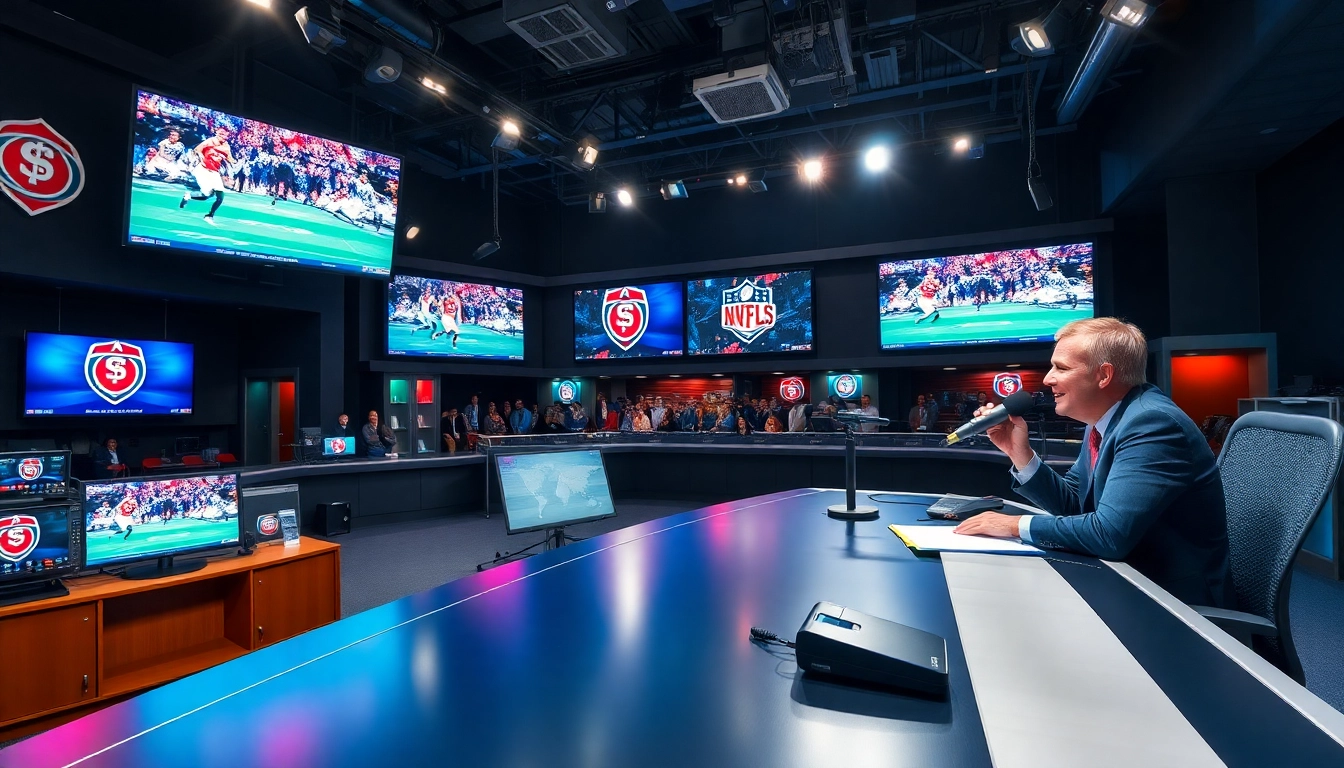
Understanding Sports Broadcasting
What is Sports Broadcasting?
Sports Broadcasting refers to the dissemination of sports-related content to the public, primarily through television, radio, and digital platforms. This encompasses live coverage of games, pre-game and post-game shows, sports news, interviews, and analysis segments. The primary goal is to engage fans and provide them with timely information about their favorite teams and athletes. As audiences have evolved, the way sports are broadcast has also transformed, incorporating various formats to appeal to diverse viewing preferences. For a comprehensive understanding of current trends in Sports Broadcasting, one must appreciate the historical context and technological advancements that facilitate this dynamic industry.
The Evolution of Sports Broadcasting
The journey of sports broadcasting began in the early 20th century with radio transmissions, offering fans the chance to follow their favorite teams regardless of their geographic location. This initial phase saw sports gain immense popularity as citizens tuned in to listen to live match updates. With the advent of television in the 1950s and 1960s, sports broadcasting underwent a revolution; visuals added an engaging layer that radio simply could not match.
Over the decades, broadcasting technology matured, introducing color TV and satellite broadcasting, which broadened the audience base significantly. The 21st century brought about the digital age, where streaming technologies transformed how content is consumed. As mobile devices proliferated, sports broadcasts became more accessible than ever, allowing fans to enjoy their favorite events anytime, anywhere.
Key Players in Sports Broadcasting
The sports broadcasting landscape is shaped by various stakeholders, including networks, streaming services, leagues, and sponsors. Major television networks have traditionally held the broadcasting rights to sporting events. However, the rise of dedicated streaming platforms, like those that focus specifically on sporting events, has changed the dynamics significantly.
Additionally, professional sports leagues themselves have become crucial players, often opting to sell broadcasting rights directly to broadcasters, ensuring more control over their image and revenues. Sponsors also play an essential role, as their investment encourages networks to prioritize extensive coverage and high-quality production.
Current Trends in Sports Broadcasting
Impact of Streaming Services
The emergence of streaming services has transformed the sports broadcasting landscape, offering fans flexibility and personalized viewing experiences. Platforms like HBO Max, Disney+, and specialized sports streaming services are now competing for viewers. These services often allow viewers to select specific games or angles, catering to diverse preferences and enhancing user engagement.
Moreover, these platforms tend to embrace subscription-based models, providing an alternative to traditional cable packages. As revenues through ads become more competitive, sports organizations are increasingly opting for streaming to maximize their reach and cater to younger, tech-savvy audiences.
Emerging Technologies in Broadcasting
New technologies are rapidly changing the nature of sports broadcasting. From high-definition cameras that capture every detail to drones that offer aerial coverage, innovation is enhancing viewer experience. Virtual and augmented reality technologies are being explored to engage fans, allowing them to immerse themselves in live games from their homes.
Artificial Intelligence (AI) is also playing a vital role, aiding in real-time analysis, creating highlight reels, and even generating personalized viewing recommendations based on user behavior. As technology continues to improve, sports broadcasting will likely become even more engaging and interactive.
Changing Audience Preferences
Today’s audiences have distinct preferences that impact how sports content is consumed. Younger viewers increasingly favor digital platforms over traditional TV broadcasts. This demographic seeks not only the games but also behind-the-scenes content, player interactions, and analytics that enhance their viewing experience.
Furthermore, with the emergence of social media and interactive platforms, the audience engagement extends beyond passive viewing; fans expect to actively participate, discuss, and share their opinions, thus transforming sports broadcasting into a more communal experience.
Challenges in Sports Broadcasting
Regulatory and Licensing Issues
Navigating the regulatory landscape is one of the significant challenges facing sports broadcasters. Licensing agreements can be complex, encompassing content rights, broadcast regulations, and advertising standards. Changes in legislation can also impact how and where sports can be broadcasted, particularly across different countries and regions.
Failing to navigate these complexities can lead to compliance issues that affect operational capabilities and revenue streams. Thus, staying informed about current regulations is crucial for entities involved in sports broadcasting.
Broadcast Quality and Accessibility
Maintaining high broadcast quality and accessibility is integral to ensuring a positive viewer experience. Poor audio-visual quality can deter viewers, especially in an era where audiences expect crisp, high-definition content. Accessibility also extends to ensuring that broadcasts are available to viewers with disabilities, employing closed captioning and descriptive audio to cater to all audiences.
With fluctuating internet quality in different regions, optimizing streams for varying bandwidths is vital for maintaining viewership levels across diverse demographics.
Adapting to Technological Advances
As technological innovations outpace traditional broadcasting methods, adapting strategies becomes imperative. This includes investing in new production techniques, such as multi-camera angles, instant replay, and fan-interactive features that improve overall viewer satisfaction.
Failure to adopt these advancements could lead to outdated broadcasting practices, causing broadcasters to lose relevance in a rapidly evolving media landscape.
Best Practices for Successful Sports Broadcasting
Engaging Audience Interaction
Creating opportunities for audience interaction is essential for enhancing viewer engagement. Sports broadcasters can leverage social media platforms to facilitate discussions, conduct polls, and share real-time updates. This engagement not only enhances fan experiences but also fosters a sense of community among viewers.
Furthermore, integrating live chats or Q&A sessions with sports analysts or athletes during broadcasts can significantly enrich the viewer’s experience and build loyalty to the broadcasting brand.
Maintaining Broadcast Integrity
Integrity in sports broadcasting is paramount for establishing trust with audiences. Broadcasting organizations must provide accurate, unbiased information about teams and players, while also delivering quality journalism through analysis and commentary.
Ethical considerations are also important; broadcasters must avoid conflicts of interest that may compromise their credibility and uphold the standards expected by their audiences.
Monetization Strategies
With the evolving landscape offering opportunities and challenges, implementing effective monetization strategies is crucial. This encompasses diversifying revenue streams through advertising, partnerships with sponsors, and subscription models for premium content.
Content creators can also monetize live streams through donations from viewers and integrate merchandise sales, expanding income potential beyond basic broadcasting rights.
The Future Landscape of Sports Broadcasting
Predictions for Industry Growth
The sports broadcasting industry is poised for significant growth in the coming years. As digital engagement continues to rise, regional sports networks and global streaming platforms are adapting to meet viewer expectations. Increased investment in new sports rights, enhanced technologies, and personalized experiences are likely to drive revenue significantly.
Moreover, as more fans emphasize flexibility and on-demand viewing, hybrid models incorporating both live broadcasts and on-demand content will become increasingly popular and a focal point of growth.
The Role of Esports in Broadcasting
Esports has emerged as a powerful influence on the broadcasting landscape, attracting millions of viewers worldwide. As traditional sports leagues increasingly recognize the potential of esports, many have established partnerships, creating a blending of audiences. Esports broadcasts offer unique engagement opportunities, including interactive features and community participation that can serve as a model for traditional sports.
This burgeoning sector is expected to further impact traditional sports broadcasting by encouraging innovative formats and broadcasting methods that resonate with a younger audience.
Opportunities for Content Creators
The shift toward digital platforms has created abundant opportunities for content creators in sports broadcasting. From independent podcasters to video content creators on platforms like YouTube, there is a growing demand for diverse perspectives and specialized content. Brands seek innovative voices to reach niche audiences effectively.
This environment fosters creativity, encouraging fresh ideas and new storytelling approaches that can redefine audience engagement. Content creators can capitalize on emerging technologies to enhance their storytelling, utilizing interactive experiences that connect with fans.
FAQs about Sports Broadcasting
What is the primary purpose of sports broadcasting?
The primary purpose is to provide live coverage, analysis, and sports-related content, engaging fans while fostering community and excitement around events.
How has technology changed sports broadcasting?
Technology has introduced high-definition visuals, streaming services, and interactive features, enhancing viewer experience and accessibility across different platforms.
What are the major challenges in sports broadcasting?
Challenges include regulatory and licensing issues, maintaining broadcast quality, and adapting to rapid technological advancements in the industry.
What strategies can broadcasters use to engage their audience?
Strategies include leveraging social media for interaction, hosting live Q&A sessions, and creating community-focused content to foster connection and loyalty.
What role do esports play in the future of sports broadcasting?
Esports is expanding the notion of sports broadcasting, attracting new audiences and inspiring traditional sports to innovate, enhancing engagement through interactive formats.
Über den Autor